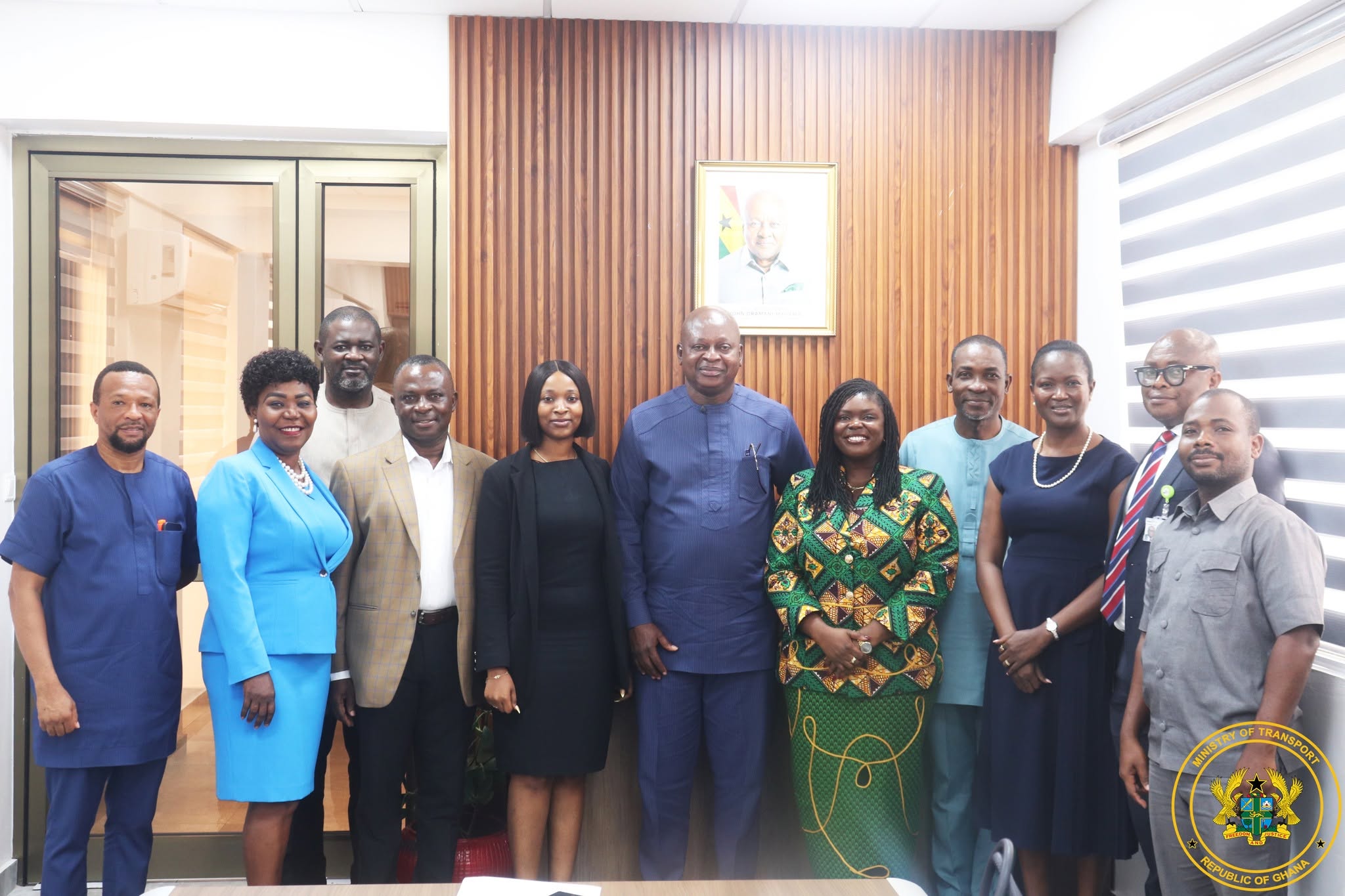
Hon. Joseph Bukari Nikpe recently took to the floor of Parliament to provide a comprehensive update on the nation’s National Electric Vehicle (EV) Policy.
In response to questions posed by the Hon. Kojo Oppong Nkrumah, Member of Parliament for Ofoase Ayirebi, Hon. Nikpe outlined the concrete steps being taken to transition Ghana towards a greener and more sustainable transport future.
"Mr. Speaker", "the national electric vehicle policy outlines the institutional arrangements for implementation, assigning lead responsibility for promoting the installation of solar systems in public buildings to the Ministry of Energy and Green Transition, as well as the Ministry of Works, Housing, and Water Resources."
The Minister further elaborated on the phased implementation strategy, emphasising that the initial roadmap, spanning from 2024 to 2026, is dedicated to this critical push for solar-powered charging infrastructure in public buildings. This foundational work, he explained, is crucial for establishing a robust and accessible charging network to support the burgeoning EV ecosystem.
Beyond infrastructure, Hon. Nikpe underscored the parallel efforts in legislative reform. "Mr. Speaker", he stated, "as outlined in the implementation roadmap of the policy, we have from 2024 to 2026 to review current laws to support the electric vehicle ecosystem."
He proudly announced that significant progress has already been made, citing the revision of the Value Added Tax (VAT) Act 2013 (Act 870), as amended by Act 2023 (Act 1107). This crucial amendment, he confirmed, has introduced an exemption from VAT on the importation of electric vehicles for public transportation – a direct incentive to accelerate EV adoption.
"We are also reviewing the Road Traffic Regulations, 2012, L.I. 2180, to accommodate the electric vehicle ecosystem," the Minister added, highlighting the government's commitment to a holistic legislative overhaul.
Recognising the vital role of financial and non-financial incentives in driving public and private uptake of EVs, he informed Parliament that the first phase (2024-2026) is strategically focused on creating these very incentives and reiterated the immediate impact of the VAT exemption on electric vehicles imported for public transportation, confirming its active implementation.
In a brief but notable clarification towards the end of his address, the Minister gracefully advised on a matter outside his Ministry's direct purview. "Mr. Speaker, the development and management of lorry parks do not fall under the jurisdiction of the Ministry of Transport. I kindly advise that the question be redirected."