The Minister for Transport, Hon. Joseph Bukari Nikpe, has called for sustained investment, resilient and integrated transport infrastructure and services to support Ghana’s economic transformation and the implementation of the Government’s 24-Hour Economy Policy.
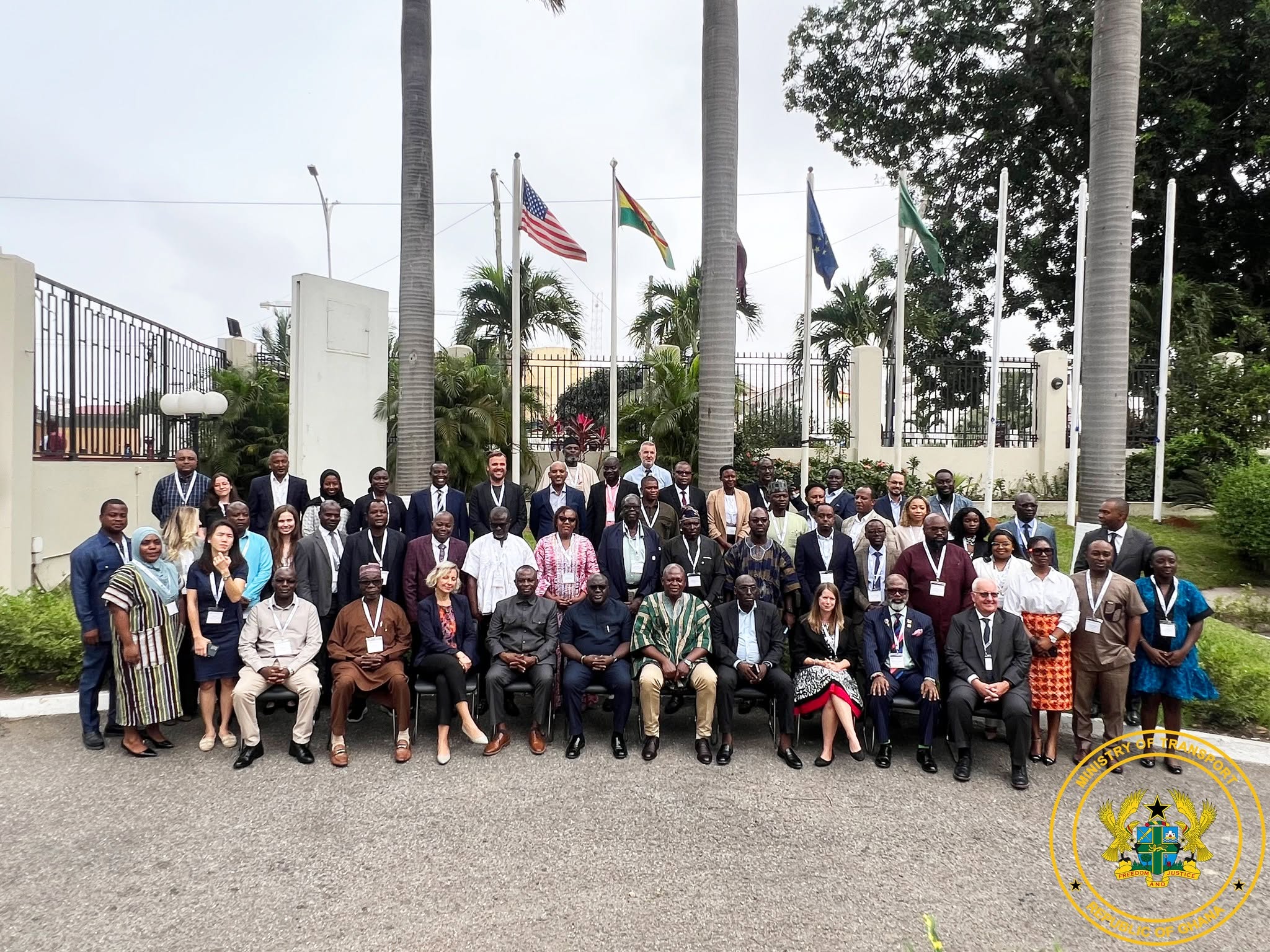
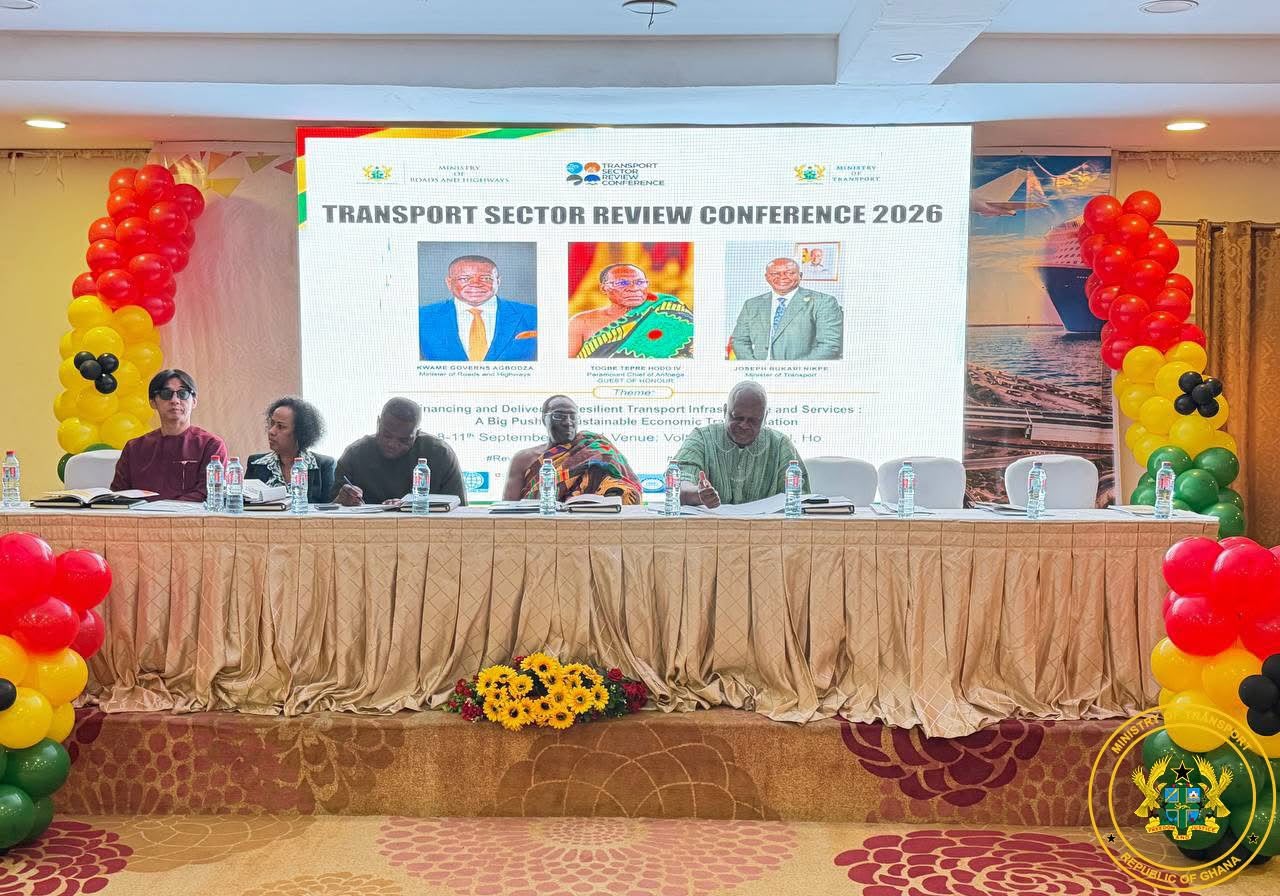
The Minister made the call at the 2026 Transport Sector Review Conference held in the Volta Region under the theme, “Financing and Delivery of Resilient Transport Infrastructure and Services: A Big Push for Sustainable Economic Transformation.”
Hon. Bukari Nikpe said the realignment of the Ministry of Transport under the current administration was intended to enable Government to manage aviation, railways, maritime transport, inland waterways and road transport as one interconnected system.
He explained that the integrated approach would allow ports to connect efficiently with rail and road networks, railways to link production centres to markets, inland waterways to complement road transport, and aviation to support business and tourism.
The Minister said such integration is essential to the success of the 24-Hour Economy Policy because economic activity cannot operate around the clock if workers, raw materials and finished goods cannot move safely, affordably and predictably.
“Our task is therefore not simply to build more transport infrastructure. It is to finance and deliver the right infrastructure and services, in the right places, to the right standards, and in a manner that is resilient, sustainable and responsive to our economic needs,” he stated.
Touching on the railway sub-sector, the Minister highlighted the completion of the 97-kilometre Tema-Mpakadan standard-gauge railway line, with passenger services between Tema and Afienya commencing in October 2025.
He disclosed that the Ghana Railway Development Authority (GRDA) was taking steps to commence freight operations on the line and have procured two diesel locomotives and 20 wagons. As part of the preparations include the development of a port facility at the lakefront to facilitate the transfer of cargo between rail and the Volta Lake.
On the Western Line, the Minister said works on the Takoradi Port-Huni Valley section, which stalled in 2024, resumed in August 2025. Completion of the section is expected to facilitate the haulage of mineral ore to the Takoradi Port.
The Minister also outlined major developments in the maritime and inland waterways sub-sector, including the completion of the first phase of the Takoradi Multi-Purpose Terminal, the Oil and Gas Service Terminal and a new Liquid Bulk Terminal.
The Liquid Bulk Terminal is designed to accommodate vessels carrying up to 60,000 tonnes of petroleum cargo and handle products including diesel, LPG, bitumen and other heavy fuels.
He mentioned that, at the Tema Port, the retooling of MPS Terminal 3 with 11 ship-to-shore cranes, two mobile harbour cranes and 29 cranes has enhanced the port’s capacity to receive and service larger container vessels. Work is also ongoing on the Keta Port Project, with 82% completion of the administrative block, which is expected to become Ghana’s third seaport to contribute to the development of a maritime industrial enclave in the Volta Region.
He added that the Ministry has further commenced Phase One of the Boankra Integrated Logistics Terminal, aimed at facilitating transit trade along Ghana’s corridor and helping to decongest the Port of Tema.
Hon. Bukari Nikpe noted that the Ministry has constructed 12 fish landing sites, or mini ports, at selected locations along the coast. This has been complemented by the rehabilitation and expansion of the Elmina Fishing Port and construction of a new fishing port at Jamestown in Accra.
In the aviation sub-sector, the Minister said Ghana has strengthened its safety and security standards, positioning the country among the top-performing countries in Sub-Saharan Africa in aviation security performance and oversight capability.
He noted that the completion of the upgrade of Tamale Airport and the expansion of Kumasi Airport into an international airport are developments which have improved the movement of people, goods and services while creating opportunities for tourism and economic growth.
The Minister also highlighted the entry and expansion of international airlines, including IBOM Air, ITA Airways, British Airways operating from Gatwick to Accra, and Kenya Airways.
He further disclosed that an Advance Passenger Information/Passenger Name Record (API/PNR) system has also been introduced to strengthen safety and security at Ghana’s airports. He further noted that a ten-member task force has been established and is working to guide the establishment of a new national air carrier.
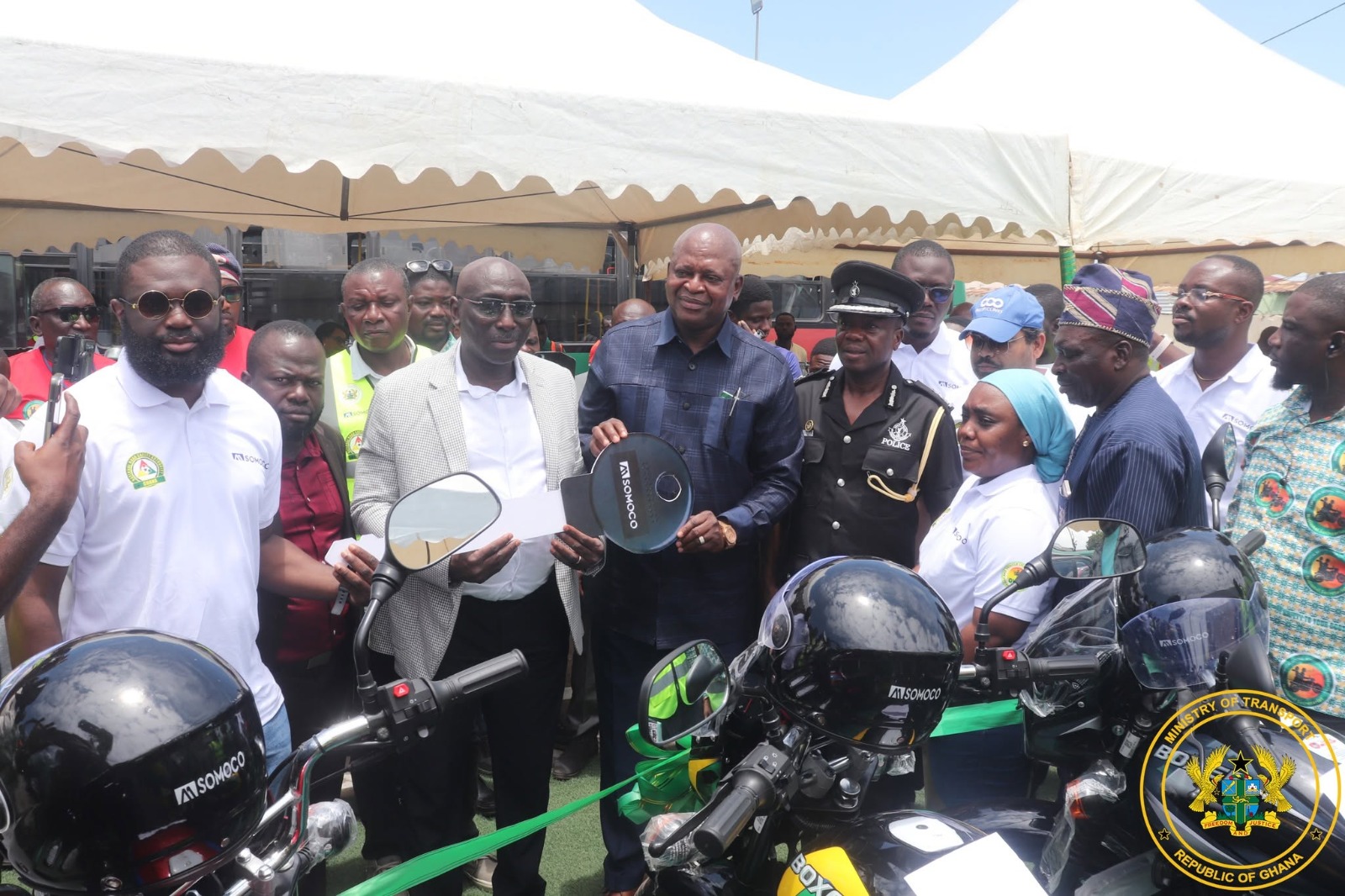
In the road transport services sub-sector, the Minister highlighted reforms that have been introduced aimed at improving service delivery, road safety and sustainability. He noted that the Road Traffic (Amendment) Act 2025, Act 1135, which provides the legal framework for the regulated operation of motorcycles and tricycles, as well as the Road Traffic Regulations, 2026 (L.I. 2519), have been approved by Parliament.
He also commended the transformation of the Driver and Vehicle Licensing Authority (DVLA) through digitisation and automation, including the introduction of new vehicle registration and driver licensing systems.
Additionally, he noted that the Ministry has completed the procurement of 100 new intercity buses for Metro Mass Transit Limited to augment its operations and support the provision of affordable, reliable and efficient mass public transport.
Despite the progress recorded, Hon. Bukari Nikpe identified road safety as the sector’s most pressing challenge. He disclosed that road traffic fatalities reached 2,954 in 2025, the highest level in more than two decades, while reported crashes increased by 31.6 per cent between 2021 and 2025. He described the situation as a national emergency requiring urgent and concerted action.
The Minister also cited financing constraints affecting railway development, damage to railway track formations caused by illegal mining activities, deteriorating vessel turnaround times at the Port of Tema, as well as land encroachment and obsolete communication, navigation and surveillance equipment as challenges requiring attention.
He stressed that Ghana’s transport development must go beyond the construction of individual infrastructure projects to creating an interconnected and resilient transport network capable of supporting economic activity. He reiterated that the sector’s success would depend on financing and delivering infrastructure and services that meet the country’s economic needs, while remaining resilient, sustainable and responsive.
Hon. Bukari Nikpe expressed the hope that the three-day conference would provide a platform for stakeholders to assess the sector’s performance, confront existing challenges and agree on practical priorities for the next phase of Ghana’s transport development.